How Fero Logistics accidentally built a better hiring process
Tristan MacLean didn’t bring Chambr in to fix hiring. He brought it in to fix onboarding.
What happened next surprised him.
What was the original problem Fero Logistics was trying to solve?
In logistics, a bad first call doesn’t just lose a deal. It can close a relationship that took months to build. Fero was growing fast and needed new BDR hires producing quickly, without putting real prospects at risk while they found their footing.
Managers were running the same mock calls, the same shadowing sessions, the same drills week after week. Up to 15 hours every week, per manager. The team was scaling. That math wasn’t sustainable.
We needed to give our reps real opportunities without incurring potential lost revenue from inexperienced calls.
What does practice-first onboarding actually look like?
Both types of new hires went into Chambr before their first live call: experienced reps and cold-start reps with zero prior sales background.
They didn’t coast through easy scenarios. They engineered hard ones. They pushed the AI into the most difficult objections they could think of, so by the time a real prospect pushed back, it felt familiar. Not scripted. Just familiar.
Experienced hires were field-ready in 2 weeks. Cold-start hires were making independent calls by week 3.
Managers got 10-15 hours back every week. Not because they stopped coaching, but because Chambr handled the repetition. By the time reps sat down for a 1:1, they already knew the structure. Coaching became specific. Fast. Worth the time.
Their conversations led to longer phone calls and more genuine interest in the product.
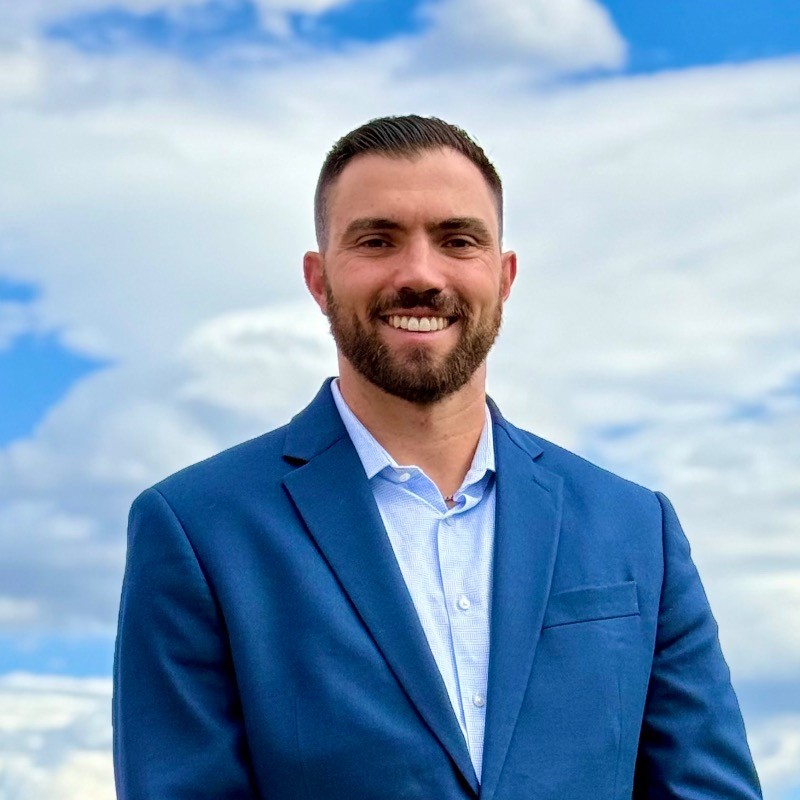 Tristan MacLean, Growth & Marketing Director, Fero
How did Fero accidentally discover a better hiring process?
Then Fero tried something they hadn’t intended.
They put Chambr in front of job candidates before the interview.
Some candidates who interviewed beautifully froze when the AI pushed back hard. And then there was a third group: the ones who, after their first session, asked for more time. More attempts. More practice.
Those were the ones Fero hired.
We really weeded out a lot of showy candidates. They looked good and sounded good but didn’t perform against a difficult AI persona. The ones who truly wanted to join our team asked for more opportunities. We saw their development and determination.
Managers could watch how candidates improved across multiple sessions, tracking grit and coachability before making a single offer. The interview became a data point, not the whole picture.
What were the results of Fero’s practice-first approach?
37% faster ramp on average. 10-15 hours saved by managers every week. A BDR team that got stronger, not just bigger.
After their first round of live calls, the reps asked to go back into Chambr. They wanted more practice.
That’s the thing about reps who train before they perform. They don’t stop when they get good. They practice more.
We will continue using Chambr to help build our team as we scale.
Tristan MacLean, Growth & Marketing Director, Fero